Presenters' biography
| Speaker 1 - Dr. Delphine Planas (INSERM and Institut Pasteur, Paris, France) |
|---|
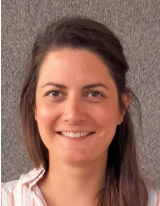
| | Delphine Planas is a research scientist at INSERM in the Infection, Antimicrobials, Modelling, and Evolution (IAME) unit (UMR1137), where she studies the mechanisms of pathogenesis of respiratory viruses.
She obtained her Ph.D. in 2019 in Montreal under the supervision of Dr. Petronela Ancuta. Her doctoral research focused on interactions between HIV and immune cells in the intestinal mucosa. During this time, she identified cellular mechanisms contributing to the establishment, persistence, and latency of HIV in the gut.
At the end of 2019, she joined the Institut Pasteur for a postdoctoral fellowship in the Virus and Immunity Unit (Laboratory of Prof. Olivier Schwartz). There, she focused on SARS-CoV-2 research, investigating the mechanisms of viral entry and replication, as well as the humoral immune response following infection or vaccination. Her work notably contributed to the characterization of immune evasion mechanisms of SARS-CoV-2 variants of concern. |
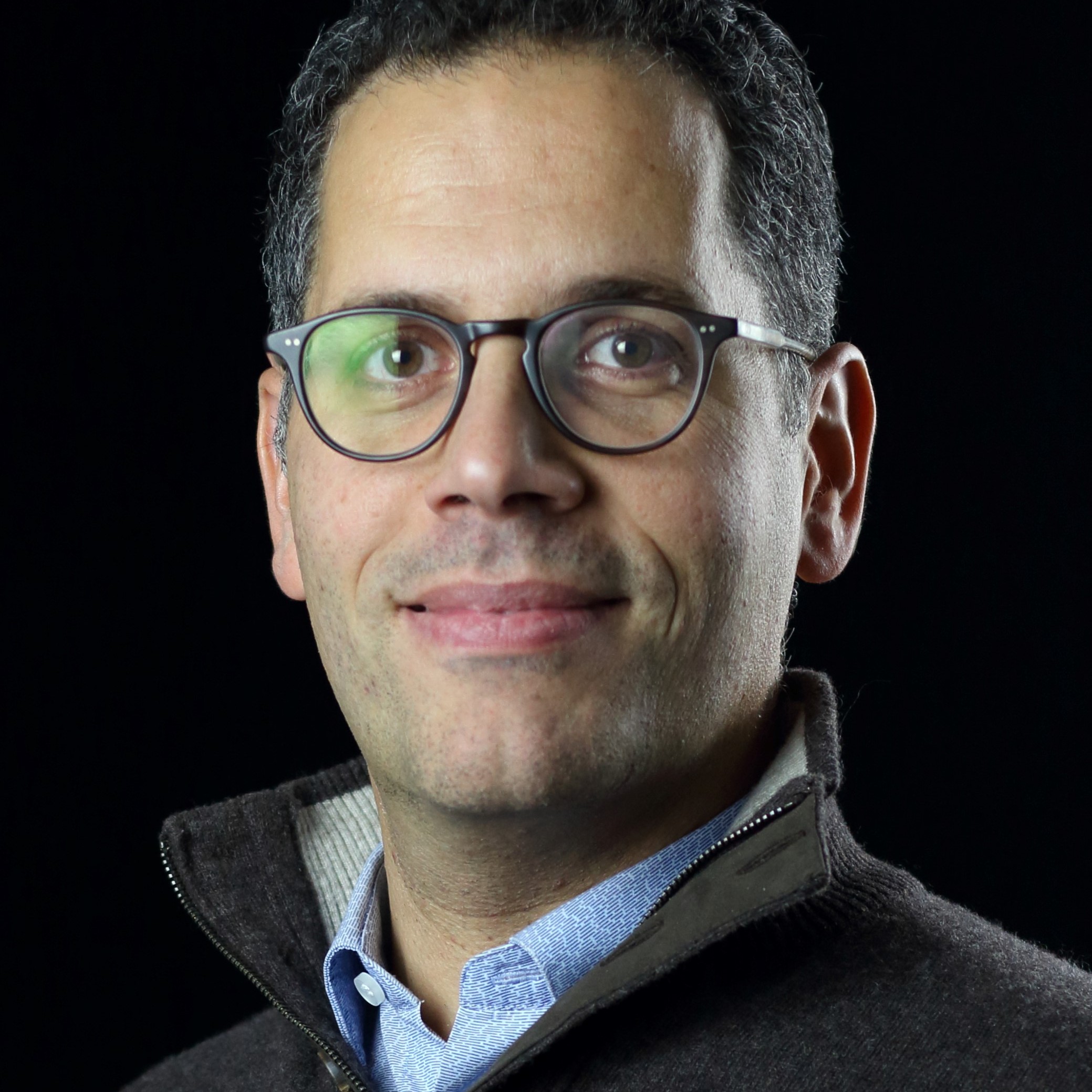
| Speaker 2 - Prof. Slim Fourati (Henri-Mondor University Hospital, Créteil, France) |
|---|
|
| Slim Fourati is a Full Professor in the Department of Virology at Hôpitaux Universitaires Henri-Mondor, Assistance Publique – Hôpitaux de Paris (AP-HP), and a member of INSERM U955 in Créteil, France. He is involved in clinical and translational research on viral infections, with a focus on viral hepatitis, respiratory viruses, and antiviral resistance. He contributes to national virology initiatives and surveillance projects within the French ANRS-MIE network. |
| Speaker 3 - Dr. Carla Rodrigues (Institut Pasteur, Paris, France) |
|---|
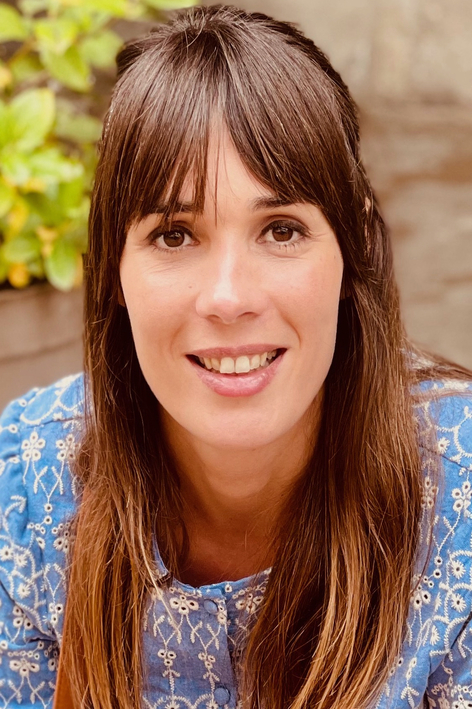
| | Deputy Director of the National Reference Centre (NRC) for Whooping Cough and other Bordetella infections (hosted at Institut Pasteur) since 2023, Carla has over thirteen years of scientific experience at the interface of bacterial biodiversity, evolution, and antimicrobial resistance. Her current work focuses on Bordetella epidemiology, public health surveillance, diagnostics, and genomics—particularly B. pertussis and B. parapertussis, the agents of whooping cough. Previously, she contributed to advancing the taxonomy, ecology, and population genomics of antimicrobial-resistant Enterobacteriaceae, especially multidrug-resistant Klebsiella pneumoniae, by integrating genomic, culture-based, molecular, and proteomic approaches, including rapid typing by FT‑IR spectroscopy. This transversal background now underpins her Bordetella research, broadening our understanding of these critical pathogens. |
| Speaker 4 - Dr. Valérie Bouchez (Institut Pasteur, Paris, France) |
|---|
| | Valérie Bouchez is a research scientist in the Biodiversity and Epidemiology of Bacterial Pathogens and in the National Reference Center for Whooping Cough and other bordetellosis in Institut Pasteur (Paris, France). Her research investigates the microbiology and the genomic evolution of Bordetella species under vaccine pressure. |
| Speaker 5 - Dr. Stephanie Lo (EMBL-EBI, Cambridge, UK) |
|---|
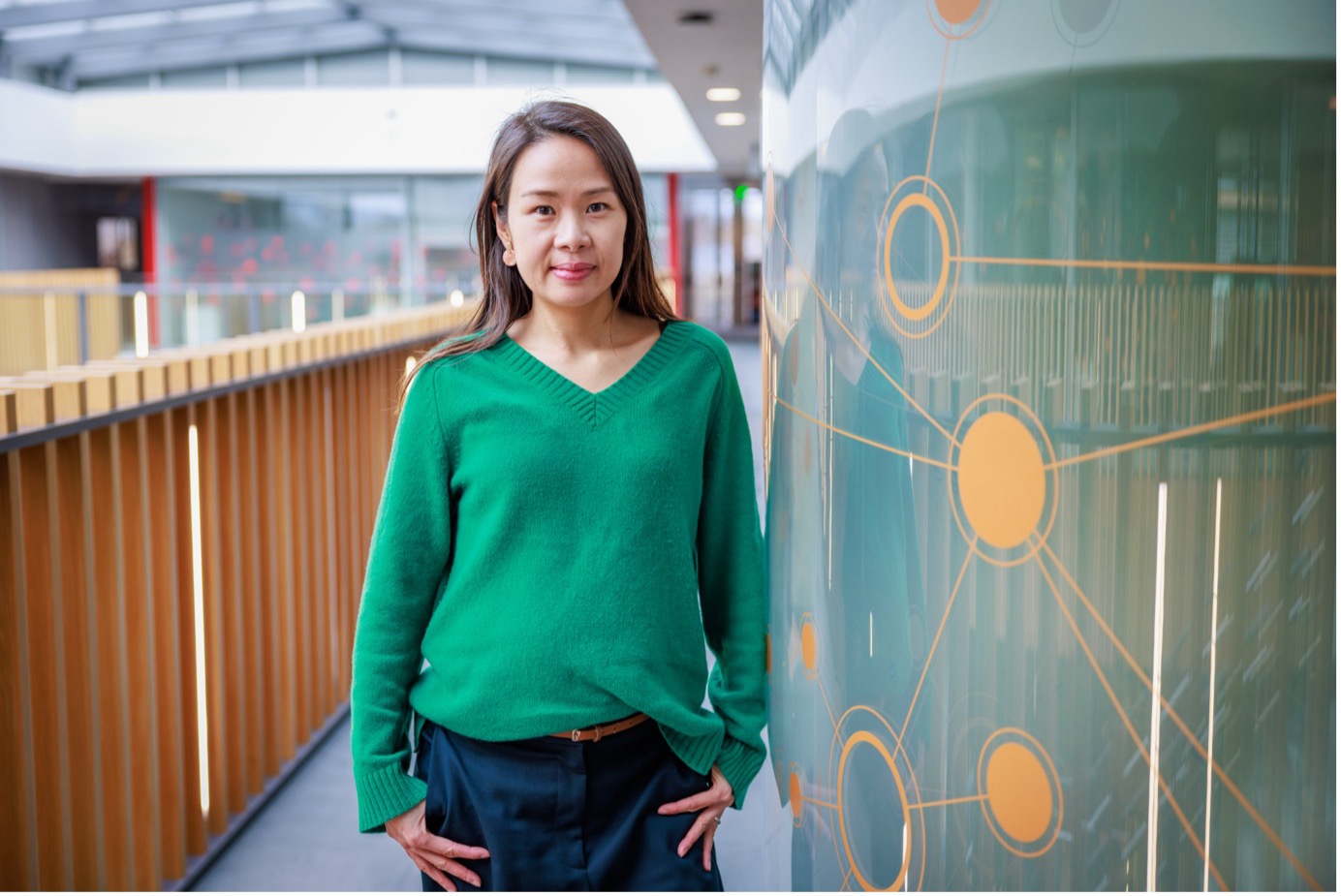
| | Dr Stephanie Lo has recently joined EMBL-EBI as a Team Leader in the Protein Function Content Team. Her team delivers high-quality protein curation, pan-proteome resources, and involves in developing AI methods to automate the curation process for UniProt https://www.uniprot.org/ and other protein resources. Her recent research focuses on analysing pneumococcal protein diversity, particularly proteins with strong translational relevance to improving global health, including vaccine development and antimicrobial resistance (AMR). In her previous role at Wellcome Sanger Institute, she led the Global Pneumococcal Sequencing (GPS) project https://www.pneumogen.net/gps/, which generated an unprecedented number of S. pneumonia genomes (n>50,000) that made possible new lines of inquiry into pneumococcal biology, disease, and epidemiology. By analysing the large-scale of genome data, her research findings identified vaccine escape and guided the next generation pneumococcal conjugate vaccine formulation and provided information to inform vaccine policy in different countries. She has published > 100 publications with >6000 citations. |
Speaker 6 - Prof. Muhamed-Kheir Taha (Institut Pasteur, Paris, France) |
|---|
| Muhamed-Kheir Taha is a professor at Institut Pasteur in Paris France. He is head of the Invasive Bacterial Infection Unit, the French National Reference Centre for Meningococci and Haemophilus influenzae, and the WHO collaborating centre for meningitis. He is also coordinator of the ECDC IBD-LabNet and President of the European Meningococcal and Haemophilus Disease Society. His research work focuses on the molecular pathogenesis of Neisseria meningitidis and Haemophilus influenzae as well as on the molecular epidemiology of meningococcal and H. influenzae infections. | |
| Speakers 7 - Dr. Spyros Lytras (Institut Pasteur, Paris, France) |
|---|
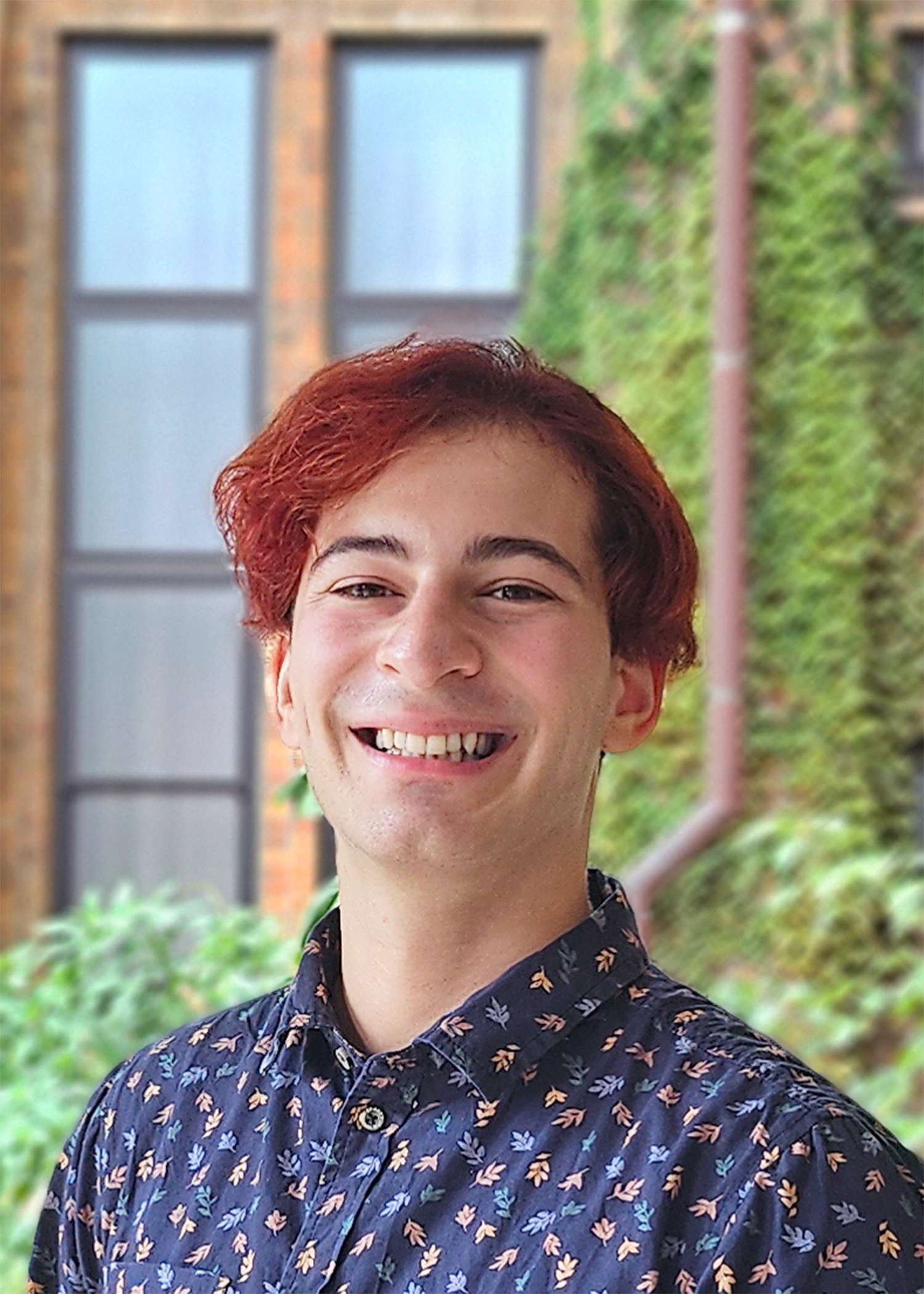 | | Dr Lytras received a BSc in Evolutionary Biology from the University of Edinburgh and a PhD in Virology at the MRC-University of Glasgow Centre for Virus Research. He then worked as a postdoctoral fellow at the Systems Virology lab of the University of Tokyo, before opening his own lab at Institut Pasteur in June 2026. He studies the evolutionary history of different viruses, focusing on how they circulate in and co-evolve with their hosts. His recent work includes utilising AI-based technologies to predict the structure of viral proteins as well as epistatic interactions within them. These predictions can be used to better understand the properties of key proteins such as these of virus antigens and ultimately using these insights to develop vaccines and therapeutics.
|
|
|---|
Last modified: Friday, 6 March 2026, 4:03 PM