Presenters' biography
| Speaker 1 - Mathieu Picardeau | ||
|---|---|---|
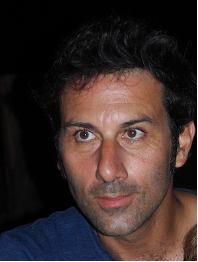 |
I have been a spirochete researcher for more than 20 years, with over 140 publications in the area of Leptospira and leptospirosis. Today, I am heading the « Biology of Spirochetes » unit at the Institut Pasteur (Paris, France) and I am the Director of the french National Reference Center for Leptospirosis and WHO Collaborating Center for Reference and Research on Leptospirosis. My laboratory covers both fundamental research on the agent of leptospirosis through the research group and public health activities within the French National Reference Center for Leptospirosis. The laboratory has pioneered the field of Leptospira genetics and genomics and is a recognized leader in the study of virulence factors in Leptospira. |
|
| Speaker 2 - Florence Ayral | ||
|---|---|---|
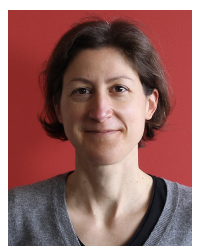 | I am a veterinarian with an expertise in Epidemiology (PhD and European College of Veterinary Public Health Diplomate). I have been working at VetAgro Sup (National Veterinary School of Lyon, France) since 2016. As part of the Research Unit, Wild Rodents, Health Risk and Population Management (RS2GP), I conduct research projects on the epidemiology of multi-host zoonotic agents. My main research interest is the maintenance community of Leptospira and the implementation of a One Health approach in practice to fill the knowledge gaps. I also provide scientific support to the Laboratory Analysis Center including animal leptospirosis diagnostic and the EVAAS Unit focused on wildlife health. | |
| Speaker 3- Sebastien Wurtzer | ||
|---|---|---|
Sebastien Wurtzer has a PhD in fundamental virology and is head of the molecular biology and emerging pathogens department at the Eau de Paris laboratory, in charge of drinking water production for the city of Paris, France. With a background in medical virology (HIV and influenza), he has been working in environmental virology for 15 years. His primary objective is to ensure the distribution of high-quality drinking water, without risk to consumers. A wide range of projects are underway to better understand the quality of distributed water, improve the quality of water resources (river water and groundwater) and protect them, and optimize disinfection treatments to ensure sanitary safety. Since 2020, it has also applied its expertise in environmental virology to population-based epidemiological surveillance, developing wastewater-based epidemiology. He is co-founder of the Obepine network. | ||