Summary of the content
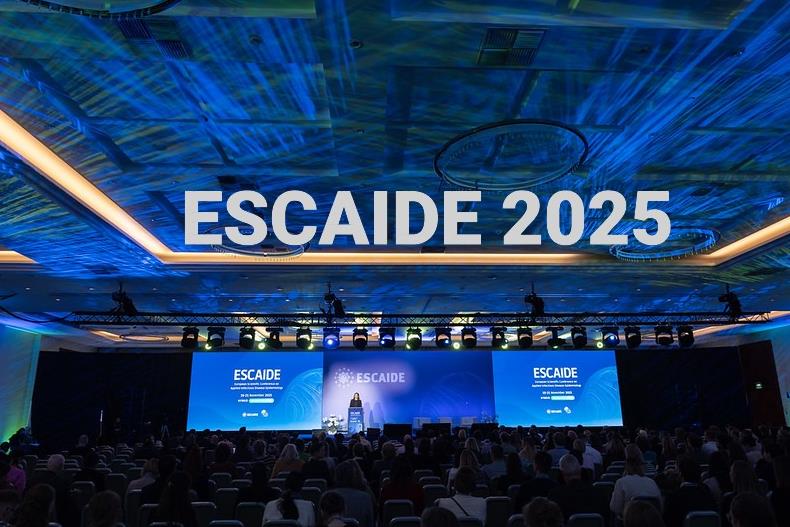
This presentation is part of a plenary session held at ESCAIDE 2025, titled ‘Science-based leadership in public health: decisions under pressure’. Science-based public health leadership during infectious disease emergencies involves complex decision-making where scientific knowledge provides important but incomplete answers. Leaders must make urgent decisions to protect population health when evidence is emerging, uncertain, or disputed, while managing competing demands, cultural values, and limited resources. In an era of populism and misinformation, promoting evidence-based policy requires balancing scientific accuracy with governance realities.
This session features a moderated debate with panellists from healthcare, policymaking, and public health backgrounds. Following brief opening reflections based on personal experiences, the discussion will explore key challenges at the intersection of science, policy, and leadership. The debate will address decision-making during health emergencies, including setting priorities under pressure and maintaining evidence-based approaches when scientific facts compete with political and social pressures for public attention and trust.
Chairs (learn
more about the chairs on the ESCAIDE
website)
- Bruno Ciancio – Head of Unit Directly transmitted and Vaccine-preventable Diseases, ECDC, Sweden
- Jacobo Mendioroz Peña – Sub-director General, Public Health Agency of Catalonia, Spain
Speakers (learn
more about the speakers on the ESCAIDE
website)
- Eirini Agapidaki – Alternate Minister of Health, Ministry of Health, Greece
- Karin Maria Nygård – Special advisor, Norwegian Institute of Public Health, Norway
- Tanja Kuchenmüller – Unit Head Science for Policy, WHO, Switzerland
- Alemka Markotić – Head of the Department of Urogenital Infections, University Hospital for Infectious Diseases, Croatia